
In the early 19th century, Europe was shaken by revolution, nationalism and war. Yet amid political turmoil, one composer helped crystallise an idea that would one day shape the continent: that humanity could unify across borders through shared values.
A Composer of Resistance and Hope
Ludwig van Beethoven lived through the Napoleonic Wars and witnessed the collapse of old empires. His music reflected a radical belief in human dignity and freedom.
The most powerful example is the Ninth Symphony (1824), whose choral finale, Ode to Joy, uses Schiller’s poem about universal brotherhood. It was the first major symphony to unite orchestra, choir and soloists in a demand for human unity.
The Political Life of “Ode to Joy”
Over the next two centuries, Ode to Joy became a musical emblem of peace:
This transformation from symphonic finale to political anthem is one of the clearest examples of music shaping Europe’s moral imagination.
Salons, Revolutions and Cross-Border Collaboration
Beethoven’s era also saw a rise in musical salons—spaces where thinkers, activists and artists engaged in debates about democracy and reform. These gatherings crossed national lines, forming the basis of what some historians call “the first cultural public sphere.”
The same period witnessed the spread of revolutionary songs like La Marseillaise, which became a pan-European anthem for republicanism.
Why Beethoven Still Matters for Peacebuilding
Beethoven didn’t simply compose music; he shaped political consciousness. His insistence that all humans are brothers resonates strongly with modern peacebuilding principles.
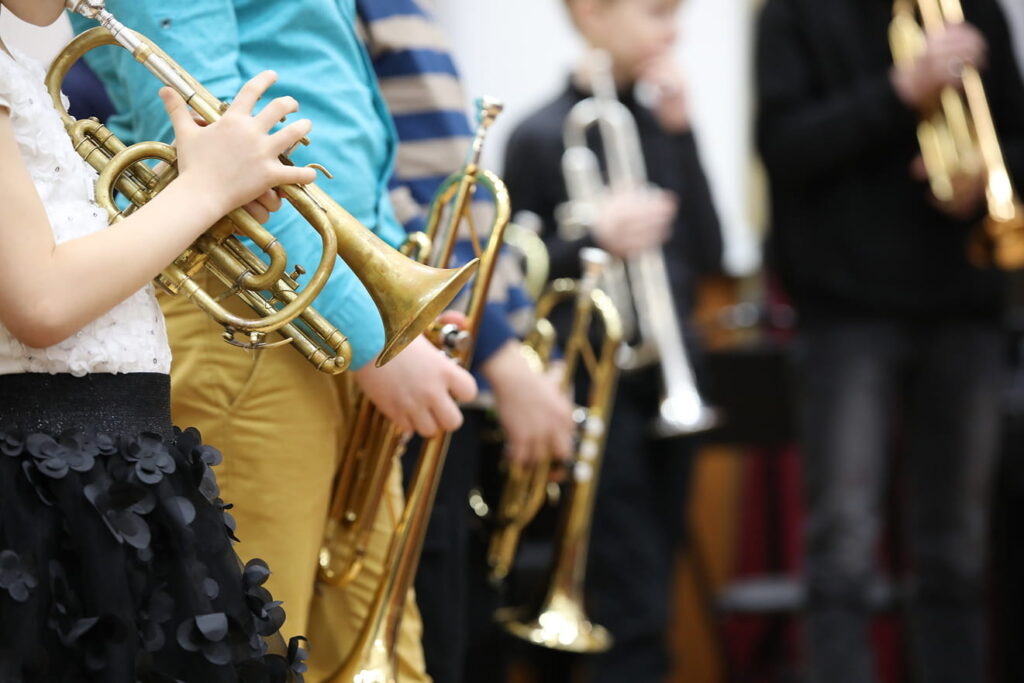
Today, youth orchestras across Europe still perform Ode to Joy as an act of cultural diplomacy. MyPEACE aligns with this tradition by empowering young people to express the universal values Beethoven championed—freedom, equality, solidarity.