
Every year on 17 March, something quietly remarkable happens across the globe. From the streets of New York, Sydney, Buenos Aires, Paris, Rome and Dublin itself, millions of people, most of them with no Irish blood whatsoever, pull on something green, join a parade, tap a foot to a fiddle, and feel, just for a day, a little bit Irish. St. Patrick’s Day is not just a national holiday. It is one of the most inclusive, joyful, and culturally alive celebrations the world has ever seen. And it has a lot to teach us about how culture, music, and youth can build bridges rather than walls.
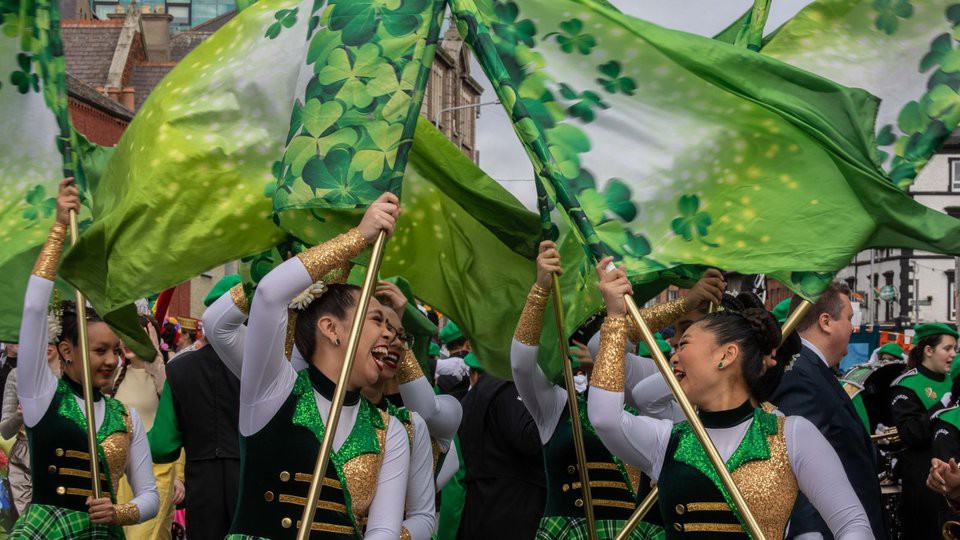
The story behind St. Patrick’s Day is, at its heart, one of resilience and identity. Saint Patrick himself, a man who was kidnapped, enslaved, and yet returned to the land that had wronged him out of a sense of purpose and faith, set an early template for courage in the face of adversity. Centuries later, Irish immigrants fleeing famine carried that same spirit to the shores of America. They were not always welcomed. They faced poverty, prejudice, and exclusion. But they kept their culture alive: their music, their stories, their faith, and their celebrations.
What began as the first St. Patrick’s Day parade in 1762, a small march by homesick Irish soldiers in New York, grew over generations into one of the world’s great civic celebrations, drawing two million spectators to New York City alone each year. Irish immigrants discovered something powerful: sharing your culture openly, inviting others in, and celebrating it with pride and joy is not a threat to others, it is a gift to them.
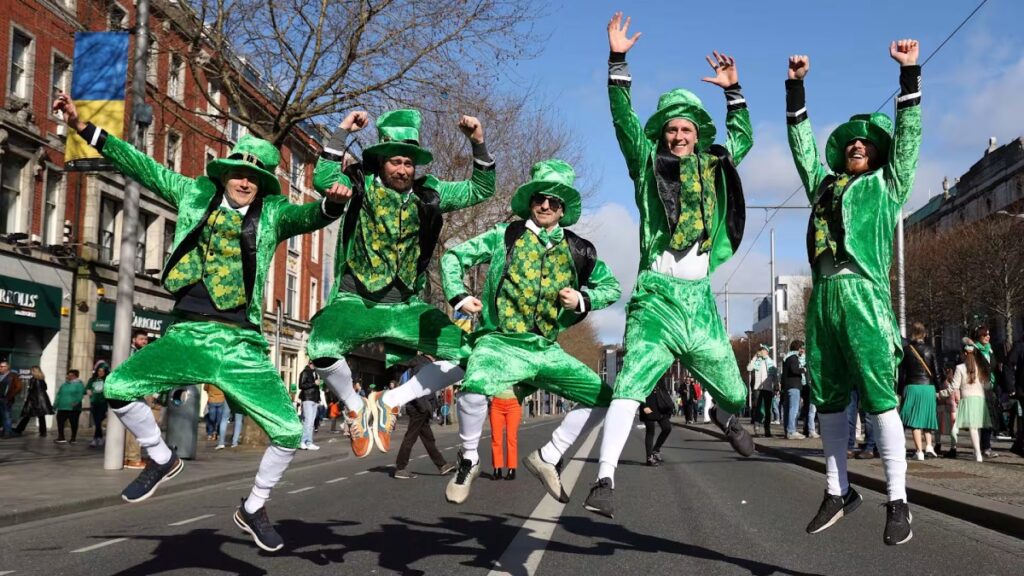
Central to any St. Patrick’s Day celebration is music. The reel and the jig, the uilleann pipes, the bodhrán, the rebel ballad belted out in a crowded pub, Irish music carries emotion, history, and identity with an immediacy that crosses every language barrier. You do not need to speak Irish or have Irish ancestry to feel something when a fiddle strikes up in a crowd. Music is, as the MY PEACE project puts it, “the universal language of mankind,” and St. Patrick’s Day shows us why.
As the project’s team has shown through live music sessions from Bordeaux to Mostar, when young people from different backgrounds create music together, something shifts. They find common ground. They listen. They connect.
One of the most inspiring aspects of St. Patrick’s Day globally is the enormous role that young people play in it, from marching bands of school children to youth music groups, community choirs, and cultural performances. The celebration actively invites young people to be participants, not spectators. That sense of belonging and active involvement is transformative.
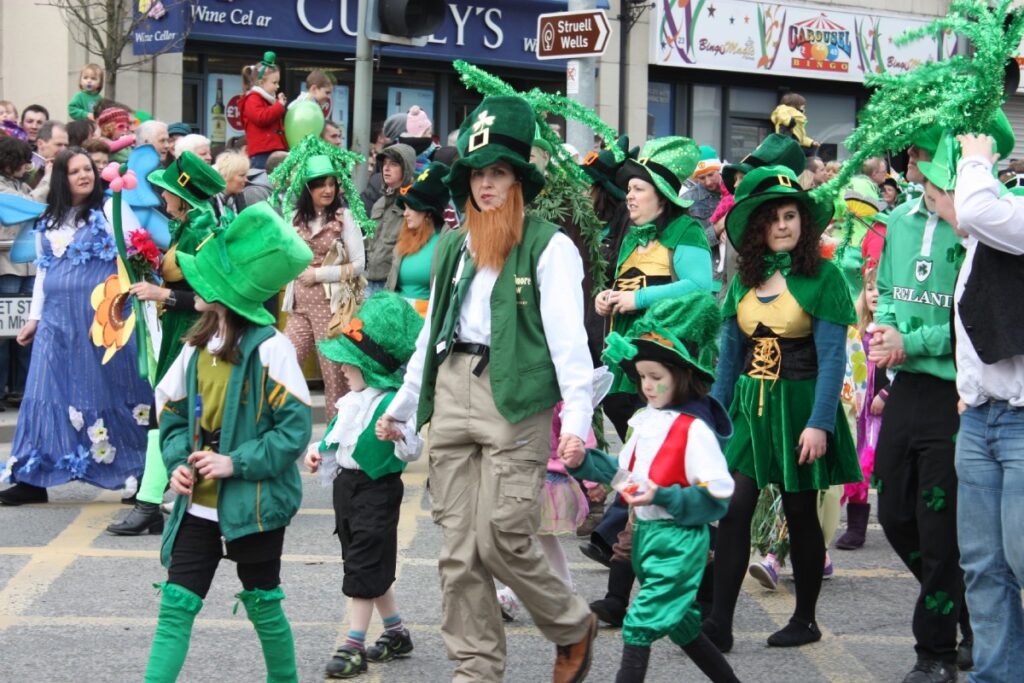
This mirrors the core ambition of MY PEACE. Young people are not treated as passive recipients of culture, but as its active carriers and creators. The project’s music production sessions give young people a real platform to express their messages of peace. As one young participant put it: “We can bring back youth at least one day, at least one young person, and that’s great.”
What makes St. Patrick’s Day remarkable and replicable is its radical inclusivity. Everyone is welcome to be a little bit Irish for the day. Cultural identity is shared freely, without being diluted. It strengthens rather than divides. That is a model worth learning from across the European Union, especially at a time when questions of national identity, belonging, and migration are so politically charged.
Europe is home to dozens of rich, distinct national cultures, each with their own music, traditions, and stories. The EU Youth Strategy calls on us to Engage, Connect, and Empower young people. St. Patrick’s Day offers a living example of how national culture, when celebrated with openness and music at its core, can become a tool for exactly that. You do not need to erase what makes you different. You need to share it, celebrate it, and invite others to join in.
The MY PEACE project is building that kind of culture, one music session at a time. Young people are discovering that their cultural identity, their songs, their stories, their voices, can be an instrument for peace. St. Patrick’s Day reminds us that this has always been true. The world already knows how to celebrate Irish culture together. It is time we built more celebrations like it.